

If you’re running a lead gen business in 2026, you already know the drill: Everyone says their leads are exclusive, and every vendor swears they’re following the rules. But in this industry, “trust but verify” isn’t just a suggestion; it’s how you keep your reputation from tanking.
Assumed is basically your secret weapon for this. It uses “seed contacts”, fake people who act like real customers, to show you exactly what’s happening to your data once it leaves your hands.
The best part? The Chrome Extension actually makes the whole process fast! If you’d like to try out the Assumed Chrome Extension. Here are two ways to use it with your boberdoo system.
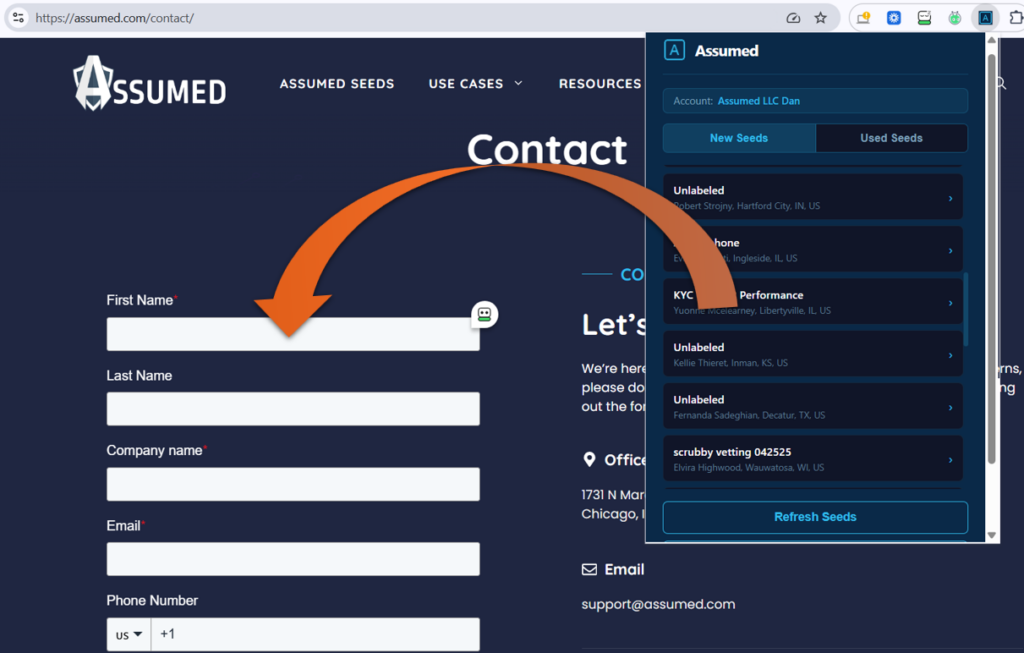
1. The “Quick Check” (Manual Entry)
We’ve all been there: you want to see what your partners are sending out, maybe they issue a lot of refunds, or you want to make sure that they’re doing what they’re supposed to. Usually, this means making up a fake persona and typing it all into boberdoo manually.
The better way:
- Head to your Manual Entry Form in boberdoo.
- Pop open the Assumed extension.
- Pick a seed contact and hit Auto-Fill Page.
The plugin does the heavy lifting, filling out the address, email, and phone number in about half a second. Drop a label on it, you can use the partner you’re testing, hit submit, and you’re done. Now, you can just sit back and watch your Assumed inbox to see what they’re sending to their leads.
2. Playing “Secret Shopper” with Your Vendors
This is where things get interesting. If you’re buying leads from a vendor who promises they aren’t multi-selling, you can use the plugin to keep them honest.
The Undercover Operation
Go to your vendor’s landing page as if you’re a regular customer. Use the Assumed plugin to fill out their form with one of your seeds. If that “exclusive” seed starts getting bombarded by calls from three different roofing companies ten minutes later, you’ve got the receipts to show your vendor they’ve got some explaining to do.
The Deception Detection Engine
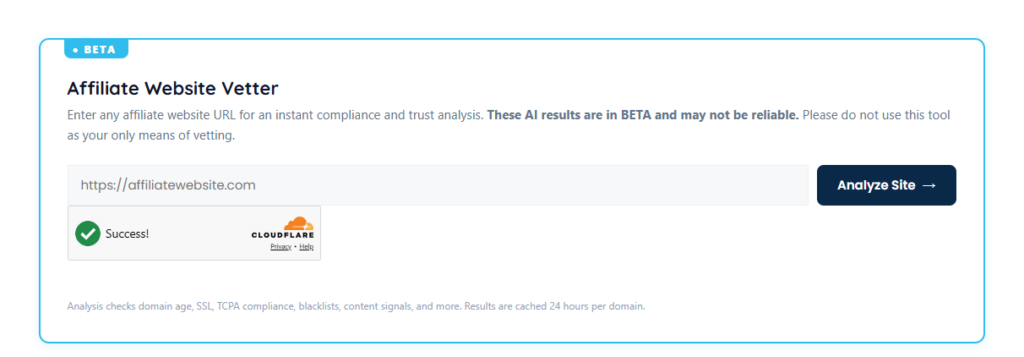
We also have a pretty slick feature: the Deception Detection Engine. You just paste a vendor’s URL into Assumed, and it spits out a trust score. It checks for:
- Domain Age: (Is this a fly-by-night site?)
- Dark Patterns: (Are they using sneaky UI to trick users?)
- TCPA Compliance: (Are they actually following the law?)
If a site comes back with a “Reject” score, you might want to think twice before sending your hard-earned traffic there.
Why bother?
At the end of the day, your data is your currency. If your partners are mishandling it, or worse, stealing it, you’re the one who loses. Using the Assumed plugin with boberdoo turns you from a passive observer into a proactive gatekeeper. It’s simple, it’s fast, and it keeps everyone on their best behavior.
Have you ever caught a “trusted” vendor multi-selling your leads, or do you usually find out when your clients start complaining about the lead quality?
